


Balancing Vastu Principles Part 1
Balancing Vastu Principles with Modern Design Aesthetics: Part 1
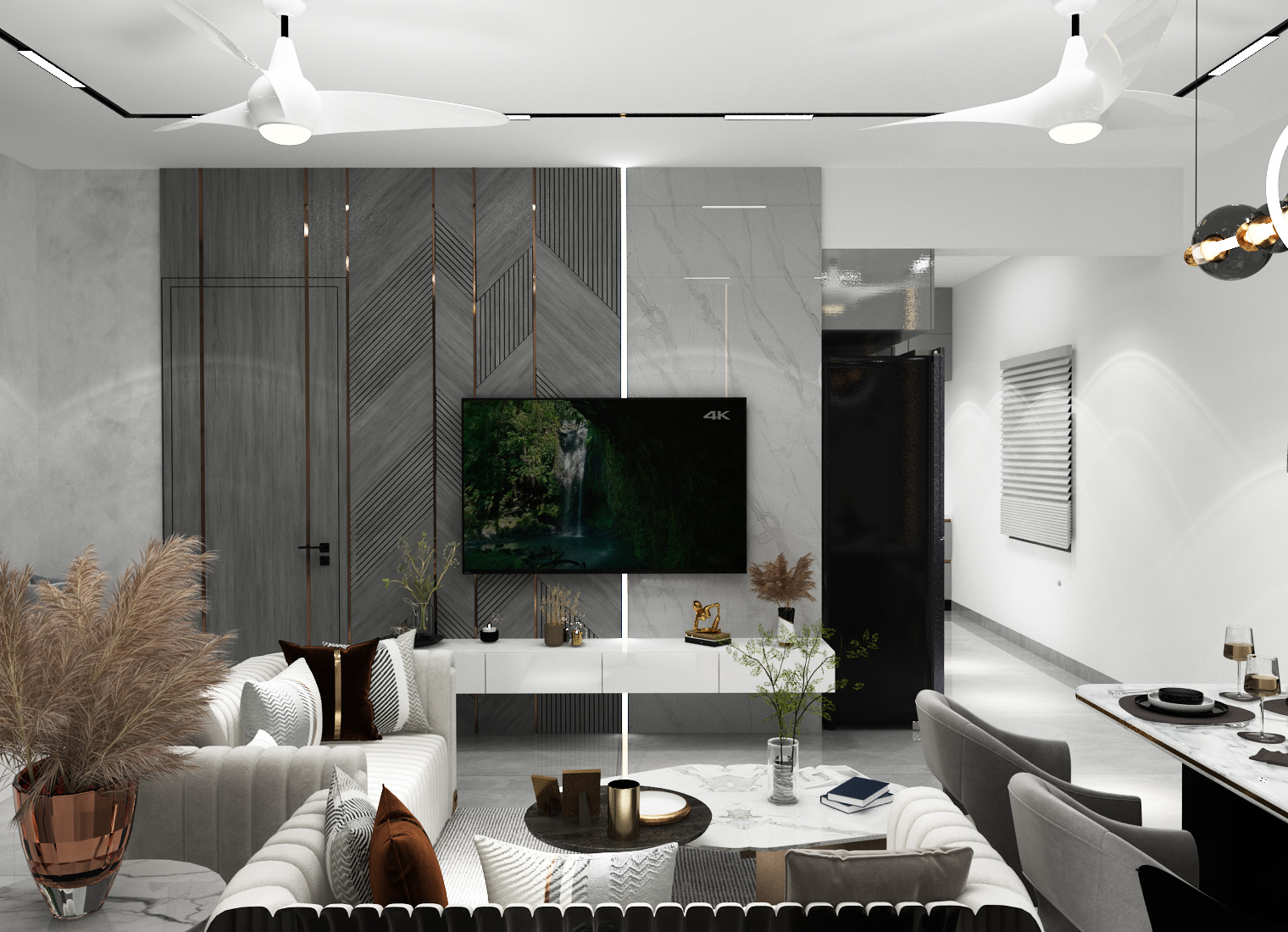
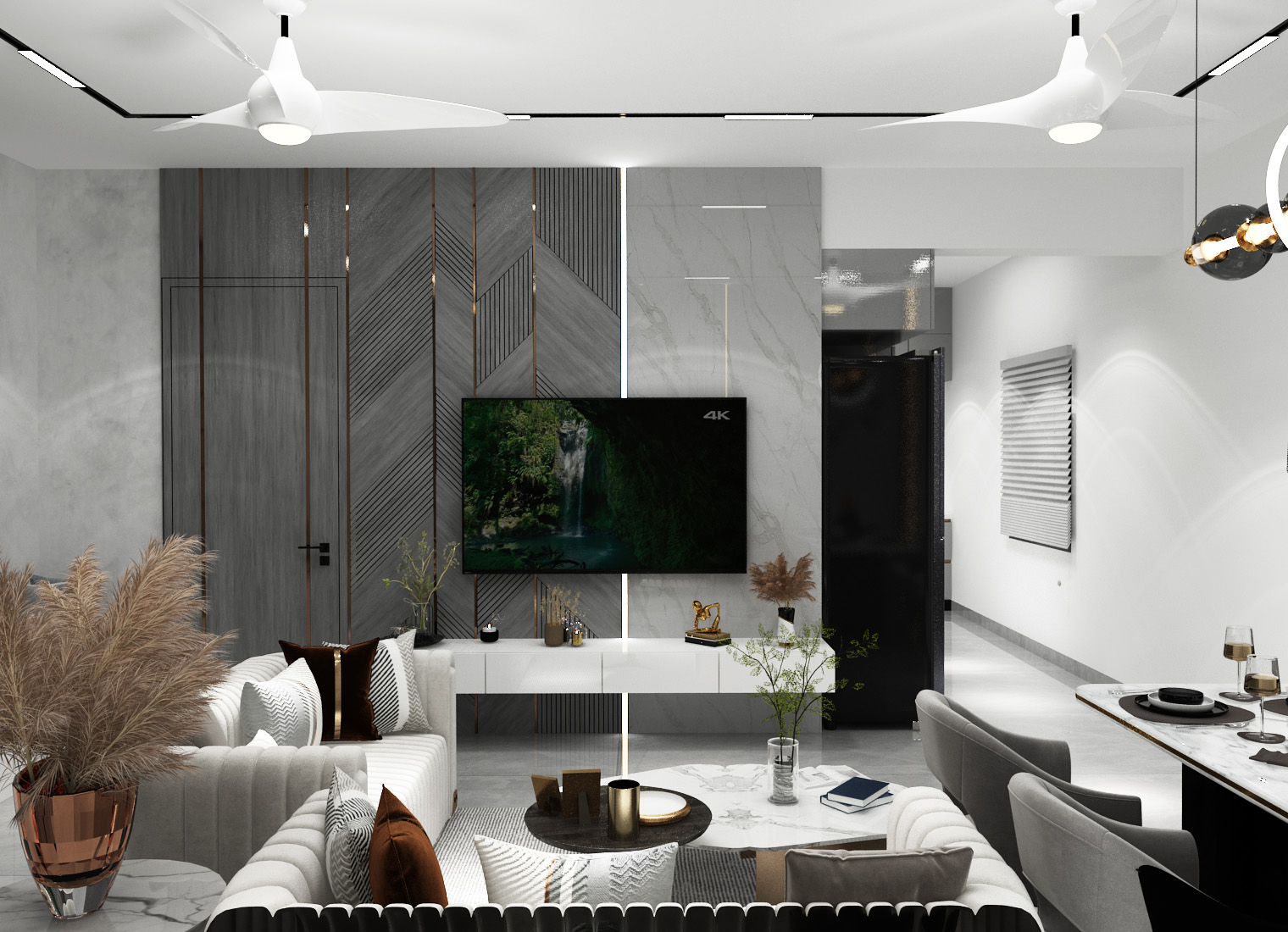
A Contemporary Approach
By Deepa Saxena – Principal Architect at Mdeepa Architects
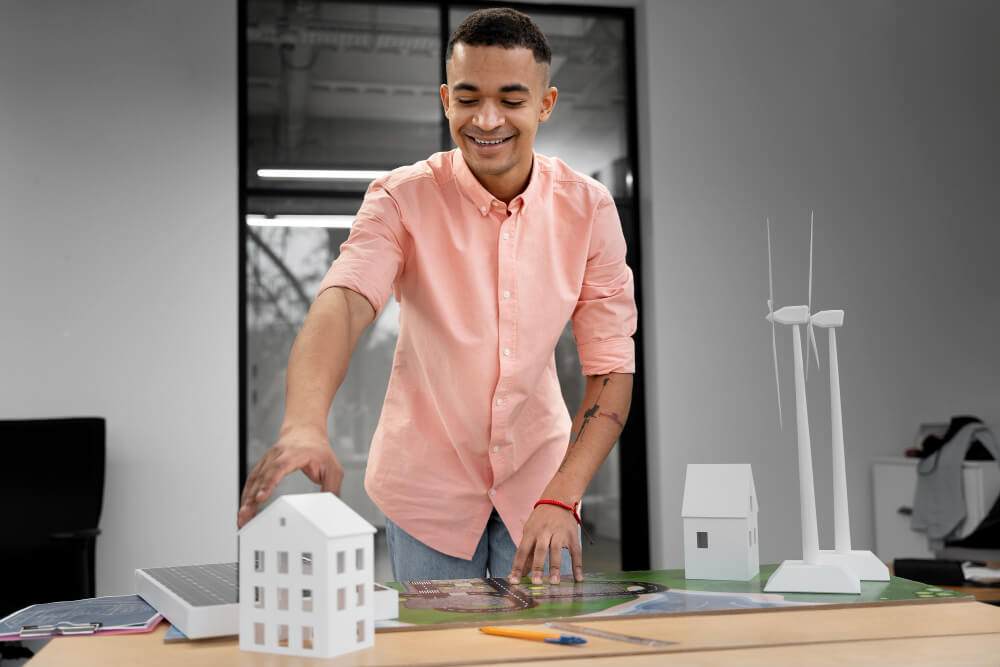
In today’s rapidly evolving architectural landscape, the challenge of harmonizing ancient wisdom with contemporary design has become increasingly relevant. As a leading vastu architect in Hyderabad, Mdeepa Architects has mastered the art of seamlessly integrating traditional Vastu Shastra principles with cutting-edge modern aesthetics, creating spaces that are both spiritually aligned and visually stunning.
Building upon the foundational concepts explored in Part 1, this practical guide demonstrates how to implement Vastu principles across every room of your modern home. As an experienced vastu architect for home projects, Mdeepa Architects has developed proven strategies for seamlessly integrating ancient wisdom with contemporary living requirements.
Understanding Vastu Shastra in Modern Context
Vastu Shastra, the ancient Indian science of architecture, offers timeless principles that promote harmony between human dwellings and natural forces. While these 5,000-year-old guidelines were originally developed for traditional Indian homes, their core principles remain remarkably relevant for contemporary living spaces.
Our interior design services Telangana team has extensive experience working with local climate conditions, having designed hundreds of homes that successfully navigate monsoon challenges while maintaining style and comfort.
The Science Behind Vastu Principles
Modern research has validated many Vastu principles through scientific understanding of environmental psychology, natural lighting, ventilation, and energy flow. The ancient practice of orienting buildings according to cardinal directions aligns with contemporary knowledge about solar orientation for optimal energy efficiency and natural lighting.
Key Vastu Elements That Complement Modern Design:
Directional Planning: The Vastu emphasis on proper orientation naturally supports sustainable design practices by maximizing natural light and ventilation. North-facing windows for consistent illumination and south-facing living areas for warmth during winter months create energy-efficient homes that reduce dependence on artificial lighting and heating systems.
Directional Planning: The Vastu emphasis on proper orientation naturally supports sustainable design practices by maximizing natural light and ventilation. North-facing windows for consistent illumination and south-facing living areas for warmth during winter months create energy-efficient homes that reduce dependence on artificial lighting and heating systems.
Spatial Geometry: Vastu’s preference for specific proportions and geometric layouts often results in well-balanced, aesthetically pleasing spaces that feel naturally harmonious. The golden ratio principles found in Vastu align with contemporary architectural theories about proportional beauty
Natural Elements Integration: The five-element theory (Pancha Mahabhuta) in Vastu encourages the incorporation of earth, water, fire, air, and space elements, which translates beautifully into modern biophilic design approaches that connect inhabitants with nature.
Contemporary Challenges and Solutions
Challenge 1: Urban Space Constraints
Modern urban living often presents space limitations that seem to conflict with traditional Vastu requirements. However, innovative design solutions can address these challenges while maintaining Vastu compliance.
Solution Approach: Vertical garden walls in the northeast corner fulfill the earth element requirement while adding contemporary green architecture elements. Compact water features integrated into modern cabinetry satisfy water element needs without compromising floor space.
Living Areas Protection
Even living spaces require moisture protection during intense monsoon periods
Skirting and Baseboards: Using moisture-resistant materials for areas where walls meet floors, preventing water damage from minor flooding or seepage.
Skirting and Baseboards: Using moisture-resistant materials for areas where walls meet floors, preventing water damage from minor flooding or seepage.
Window Treatment: Proper sealing and drainage around windows prevents moisture intrusion while maintaining architectural beauty.
Challenge 2: Modern Lifestyle Requirements
Contemporary homes require open floor plans, home offices, and multi-functional spaces that weren’t part of traditional Vastu planning.
Solution Approach: Flexible room dividers using modern materials like frosted glass or perforated metal screens can create Vastu-compliant room separations while maintaining the open-concept feel desired in modern homes. Smart home technology can be integrated to control lighting and ventilation according to Vastu timing principles.
Challenge 3: Architectural Material Preferences
Modern construction heavily relies on steel, glass, and concrete, which may seem at odds with traditional Vastu material recommendations.
Solution Approach: Strategic use of natural materials as accent elements can satisfy Vastu requirements while embracing contemporary construction methods. Exposed wooden beams in concrete structures, natural stone cladding on steel frameworks, and courtyard gardens in glass-dominated buildings create the perfect balance.
Design Strategies for Modern Vastu Integration
1. Invisible Vastu Compliance
The most sophisticated approach involves incorporating Vastu principles so seamlessly that they become invisible to the untrained eye while remaining functionally present.
The most sophisticated approach involves incorporating Vastu principles so seamlessly that they become invisible to the untrained eye while remaining functionally present.
Color Psychology: Modern color palettes can be selected based on Vastu directional guidelines while maintaining contemporary aesthetic appeal. Soft blues and greens in eastern rooms support the air element while creating calm, modern spaces perfect for meditation rooms or home offices.
Lighting Design: Contemporary LED lighting systems can be programmed to provide appropriate illumination according to Vastu principles for different times of day, supporting both energy efficiency and spiritual well-being.
2. Adaptive Vastu Solutions
Rather than rigid adherence to traditional rules, modern Vastu architecture focuses on achieving the underlying intentions through contemporary methods.
Rather than rigid adherence to traditional rules, modern Vastu architecture focuses on achieving the underlying intentions through contemporary methods.
Energy Flow Optimization: Modern HVAC systems can be designed to promote proper air circulation according to Vastu principles while providing superior climate control. Smart ventilation systems that adjust based on occupancy and time of day can maintain the positive energy flow emphasized in Vastu while offering contemporary comfort.
Sacred Geometry in Modern Forms: Contemporary architectural elements can incorporate Vastu-recommended proportions and geometric patterns through creative applications. Modern facades with geometric patterns based on Vastu principles create visually striking exteriors that honor traditional wisdom.
The Hyderabad Advantage
Hyderabad’s unique position as a technology hub with deep cultural roots makes it an ideal location for pioneering Vastu-compliant modern architecture. The city’s architectural heritage provides context for traditional principles, while its status as a global IT center demands contemporary design solutions.
Climate Considerations: Hyderabad’s tropical climate naturally supports several Vastu principles, including the emphasis on cross-ventilation and protection from harsh southern sun. Modern energy-efficient design strategies align perfectly with these ancient recommendations.
Cultural Integration: The city’s residents appreciate both technological advancement and cultural preservation, creating an ideal market for homes that seamlessly blend Vastu principles with modern amenities.
Practical Implementation Examples
Case Study: Contemporary Villa with Vastu Integration
A recent project by Mdeepa Architects demonstrates how a modern luxury villa can incorporate comprehensive Vastu principles without compromising contemporary design aesthetics.
A recent project by Mdeepa Architects demonstrates how a modern luxury villa can incorporate comprehensive Vastu principles without compromising contemporary design aesthetics.
Design Features:
- Clean-lined facades with strategic window placement following Vastu directional guidelines
- Modern water features positioned in the northeast corner using contemporary materials
- Open floor plans with subtle level changes that create Vastu-compliant room hierarchy
- Smart home systems that adjust lighting and ventilation based on Vastu timing principles
Result: A home that appears thoroughly modern to visitors while providing the spiritual and psychological benefits of Vastu compliance for residents.
Innovation in Material Selection
Modern materials can be chosen and applied in ways that honor Vastu principles while achieving contemporary aesthetics.
Sustainable Materials: Eco-friendly building materials align with Vastu’s emphasis on natural harmony while supporting modern sustainability goals. Recycled steel, sustainably sourced wood, and low-impact concrete alternatives can create environmentally responsible homes that honor ancient wisdom.
Texture and Finish: Contemporary finishes can be selected to provide the tactile and visual qualities recommended in Vastu while maintaining modern sophistication. Matte black fixtures with warm wood accents can create the earth element presence required in specific directions while achieving the minimalist aesthetic preferred in modern design.
Looking Forward
The future of architecture lies in thoughtful integration rather than rigid adherence to any single philosophy. As we progress through 2025, the most successful residential and commercial projects will be those that honor cultural wisdom while embracing technological advancement and contemporary lifestyle needs.
The role of a skilled vastu architect in Hyderabad extends beyond mere compliance with ancient rules. It involves understanding the deeper intentions behind traditional principles and finding innovative ways to achieve those goals through modern design solutions.
Part 2 of this series will explore specific room-by-room applications and provide detailed guidance for homeowners seeking to create Vastu-compliant modern living spaces.
Contact us for consultation on your next Vastu-compliant modern home project. For any
enquires
please mail us at info@mdeepaarchitects.com or give us a call on +91 83098 38138
please mail us at info@mdeepaarchitects.com or give us a call on +91 83098 38138


Related Posts

DIY vs. Professional When to Splurge & When...
DIY vs. Professional When to Splurge & When...