




Blog
How Our Architectural Design Process Works (Step-by-Step)
By Deepa Saxena, Principal Architect at Mdeepa Architects
On this page
- Introduction: What the Architectural Design Process Really Means
- Step 1: Understanding the Client and the Site
- Step 2: Conceptual Design – Translating Ideas into Space
- Step 3: Design Development – Refining and Detailing
- Step 4: Approvals and Documentation
- Step 5: Detailed Design and Tender Documentation
- Step 6: Construction and Site Coordination
- Step 7: Interior and Finishing Design
- Step 8: Handover and Post-Occupancy Support
- Why a Structured Design Process Matters
- Common Misconceptions Clients Have
- Why This Process Works Well in Hyderabad
- FAQs: Understanding the Architectural Design Process
- Conclusion: The Value of an Informed Design Process
Introduction: What the Architectural Design Process Really Means for Homeowners in Hyderabad
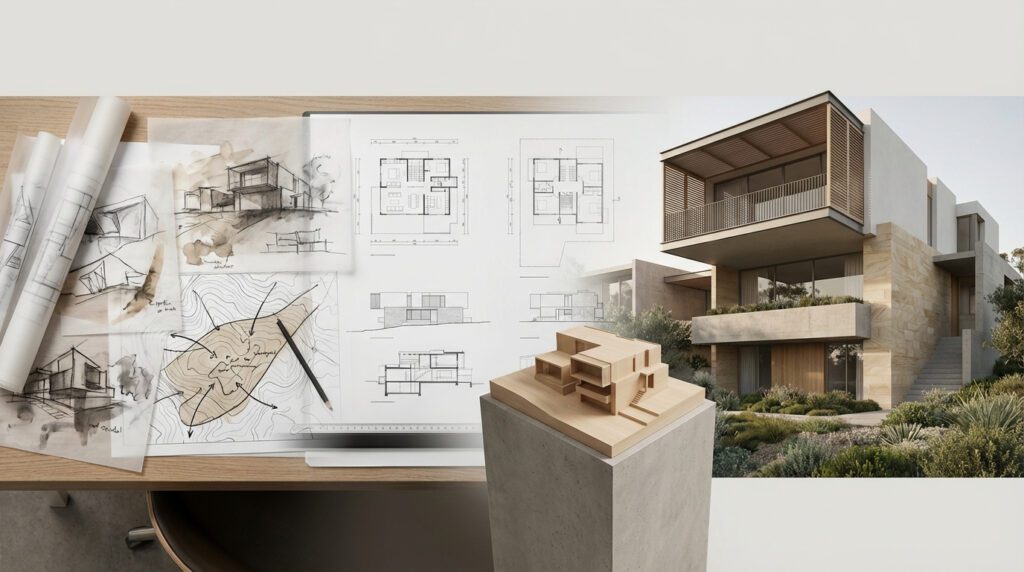
Every successful building—whether a contemporary villa in Jubilee Hills or a compact
commercial project in Gachibowli—starts with a clear, structured architectural design process.
It’s the foundation that ensures every detail of your space is intentional, functional, and tailored
to your lifestyle or business needs.
Step 1: Understanding the Client and the Site
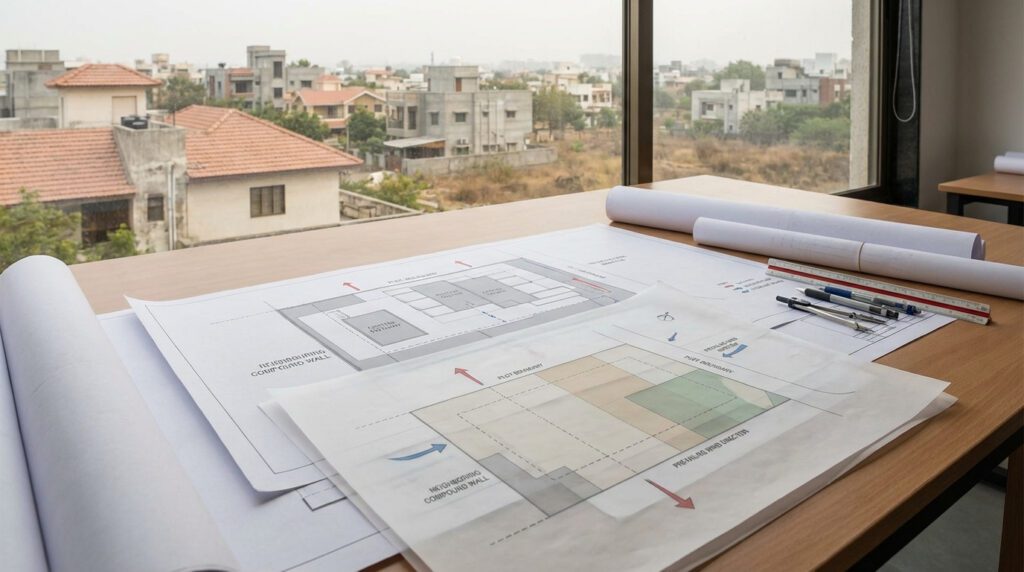
What clients often misunderstand:
Our insight:
Step 2: Conceptual Design – Translating Ideas into Space
Once we understand your needs and the site, we begin the concept design.
Client takeaway:
Step 3: Design Development – Refining and Detailing
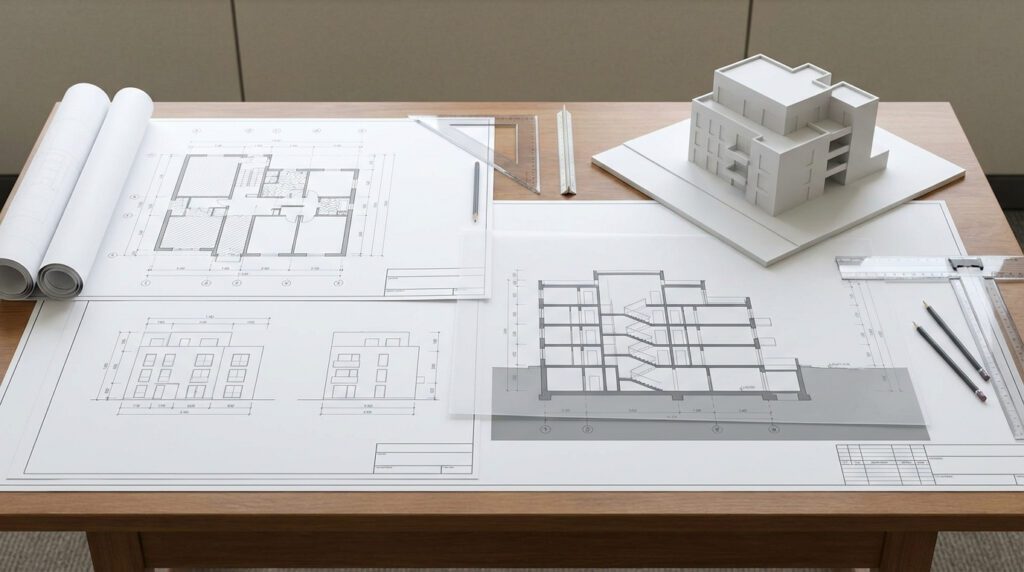
After finalizing the concept, we move into design development, where every major decision is defined: room sizes, levels, materials, and structural coordination.
Common client misconception:
Architect’s insight:
Step 4: Approvals and Documentation
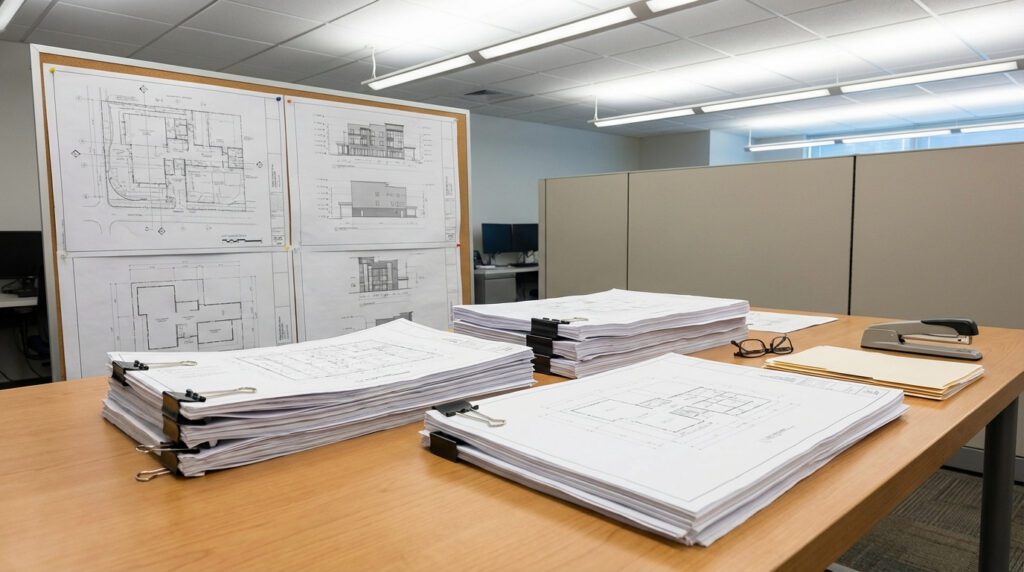
Why this matters:
Step 5: Detailed Design and Tender Documentation
Once approvals are secured, we prepare working drawings—the technical blueprints contractors use on-site. These include structural details, electrical layouts, plumbing drawings, and finishes schedules.
We also prepare tender documents that define quantities and materials. This allows clients to invite quotations from contractors and compare them fairly.
Our observation:
Step 6: Construction and Site Coordination
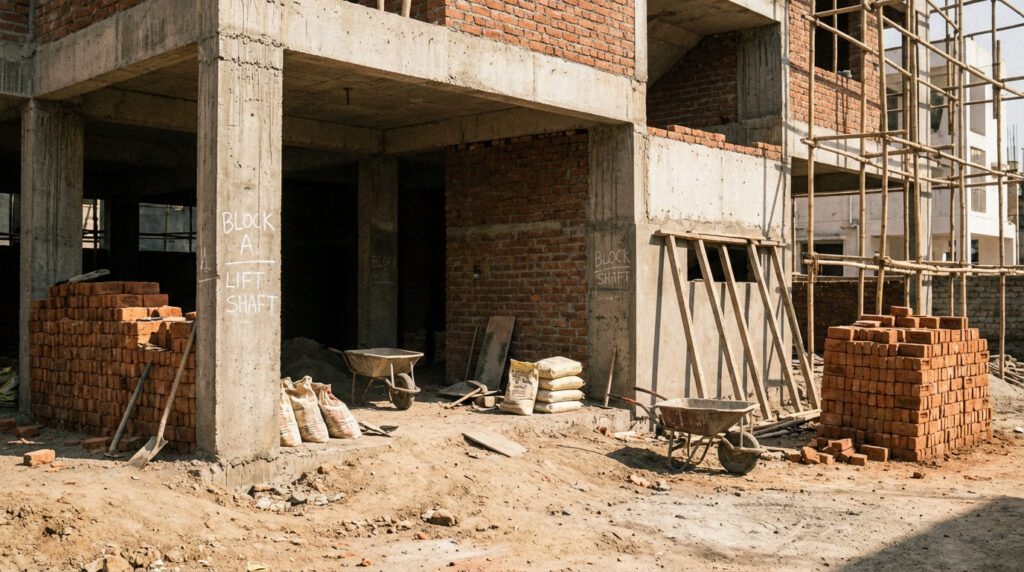
This is where drawings turn into built form. Our architects conduct regular site visits to ensure construction follows the approved design and quality standards.
Architect’s perspective:
Client benefit:
Step 7: Interior and Finishing Design
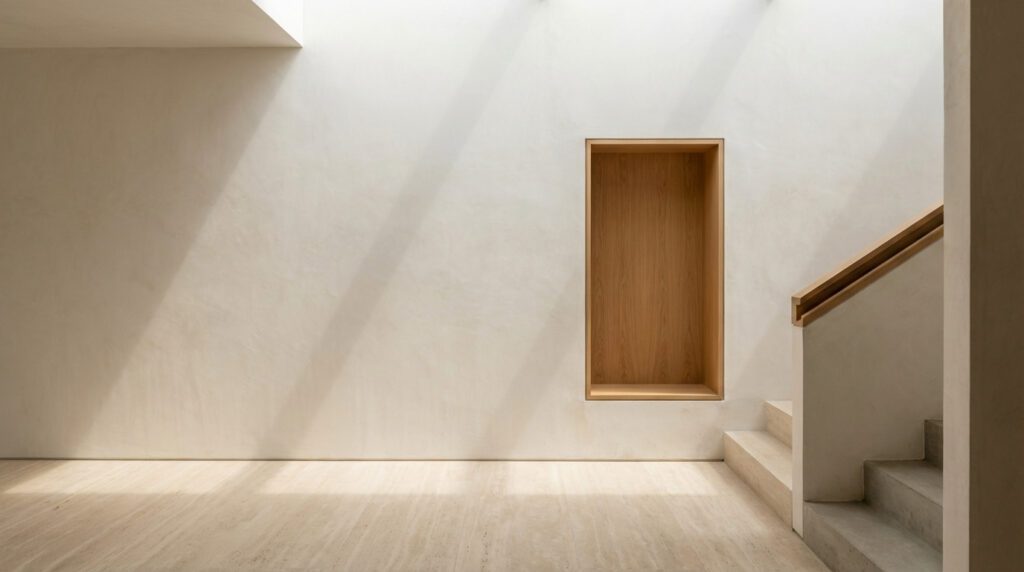
Architect’s note:
Step 8: Handover and Post-Occupancy Support
Once the project reaches completion, we conduct a final inspection to check for finishing quality, functionality, and compliance with design intent.
We also provide as-built drawings and maintenance recommendations—especially for clients
managing multiple properties or long-term rentals.
Our commitment:
Why a Structured Design Process Matters
A professional architectural design process is not about adding steps—it’s about eliminating
confusion.
Long-term benefit:
If you’re planning a home or commercial project in Hyderabad, understanding the design process early helps avoid costly mistakes later.
Common Misconceptions Clients Have
| Misconception | Reality |
|---|---|
| “I can start construction with a basic plan.” | Without detailed drawings, contractors make assumptions that can lead to costly mistakes. |
| “Architects just make drawings; engineers handle the rest.” | Architecture coordinates all disciplines to ensure structural, functional, and aesthetic balance. |
| “Design changes can be made anytime.” | Late changes increase costs and delay timelines. Early clarity saves both. |
| “Approval drawings are enough for construction.” | Approval drawings are simplified; working drawings are detailed technical documents. |
Why This Process Works Well in Hyderabad
- Local materials like granite and laterite that perform well in dry climates
- Regulatory frameworks from GHMC and HMDA
- High ambient temperatures, requiring passive cooling and shading strategies
- Cultural context, where Vaastu and family hierarchy often shape spatial design
Many of these questions are easier to answer with project-specific context. A structured consultation early on can bring clarity before decisions are locked in.
FAQs: Understanding the Architectural Design Process
Ideally, before purchasing land or finalizing your plot. An architect can assess feasibility and
identify potential design constraints early.
Conclusion: The Value of an Informed Design Process
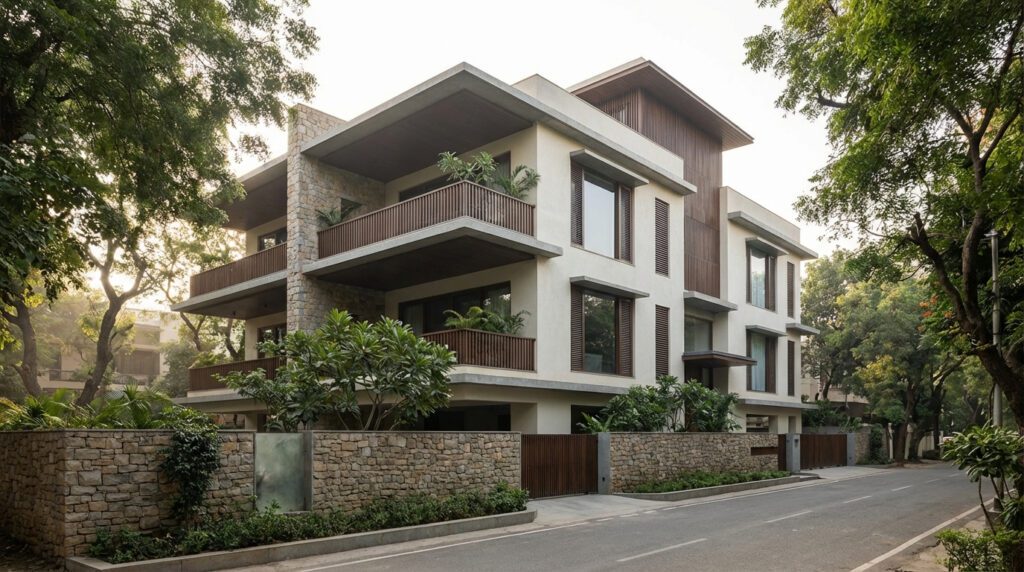
By following a structured architectural design process, clients gain clarity, control, and confidence throughout their project journey. At Mdeepa Architects, we see this process not as a checklist but as a shared partnership—turning ideas into enduring spaces that reflect both purpose and place.
On this page
- Introduction: What the Architectural Design Process Really Means
- Step 1: Understanding the Client and the Site
- Step 2: Conceptual Design – Translating Ideas into Space
- Step 3: Design Development – Refining and Detailing
- Step 4: Approvals and Documentation
- Step 5: Detailed Design and Tender Documentation
- Step 6: Construction and Site Coordination
- Step 7: Interior and Finishing Design
- Step 8: Handover and Post-Occupancy Support
- Why a Structured Design Process Matters
- Common Misconceptions Clients Have
- Why This Process Works Well in Hyderabad
- FAQs: Understanding the Architectural Design Process
- Conclusion: The Value of an Informed Design Process